Nuestro sitio web utiliza cookies para mejorar y personalizar su experiencia y para mostrar anuncios (si los hay). Nuestro sitio web también puede incluir cookies de terceros como Google Adsense, Google Analytics, Youtube. Al usar el sitio web, usted consiente el uso de cookies. Hemos actualizado nuestra Política de Privacidad. Por favor, haga clic en el botón para consultar nuestra Política de Privacidad.

Science and Technology

‘Dyson spheres’ were theorized as a way to detect alien life. Scientists say they’ve found potential evidence

New findings point to signs of advanced alien civilizations in a remote star system

Astronomers have identified strange energy patterns emanating from several faraway stars, which might be the first possible indications of theoretical megastructures called Dyson spheres. These enigmatic discoveries, recorded by numerous observatories, have renewed scientific curiosity in the quest for extraterrestrial intelligence via non-traditional methods. The idea of Dyson spheres was introduced in 1960 by the physicist Freeman Dyson, who suggested that highly advanced civilizations might build vast structures to gather energy from their stars. These hypothetical constructions would enable a species to capture almost all the energy emitted by a star, possibly resulting in detectable signs such as atypical infrared…
Leer Más
Once celebrated, an inventor’s breakthroughs are now viewed as disasters — and the world is still recovering

Once praised, an inventor’s creations are now considered disasters — and the world is still coping

History remembers many brilliant minds whose creations transformed society in ways they never anticipated. One such figure, initially hailed as a visionary pioneer, developed technologies that promised to revolutionize modern life but ultimately left a mixed legacy that continues to shape our world today. The story of this inventor serves as a cautionary tale about innovation's double-edged nature and the unpredictable consequences of technological progress. Throughout their existence, this person led the charge in scientific progress, earning widespread recognition for innovative creations that addressed significant issues of the time. Modern descriptions portray a talented yet deeply dedicated inventor, intensely committed…
Leer Más
Google commits B to train US college students in artificial intelligence over three years

Google to fund $1B artificial intelligence training for US college students over three years

The tech giant Google has revealed a significant $1 billion plan to broaden artificial intelligence training initiatives at colleges and universities throughout the U.S. This pledge over three years stands as one of the most considerable corporate investments in AI education so far, with the goal of equipping students for careers in this swiftly changing domain while tackling the widening skills gap in the tech industry. The all-encompassing initiative will emphasize various elements of AI instruction, ranging from basic coursework to opportunities for in-depth research. Google intends to partner with academic bodies to create targeted programs that encompass machine learning,…
Leer Más
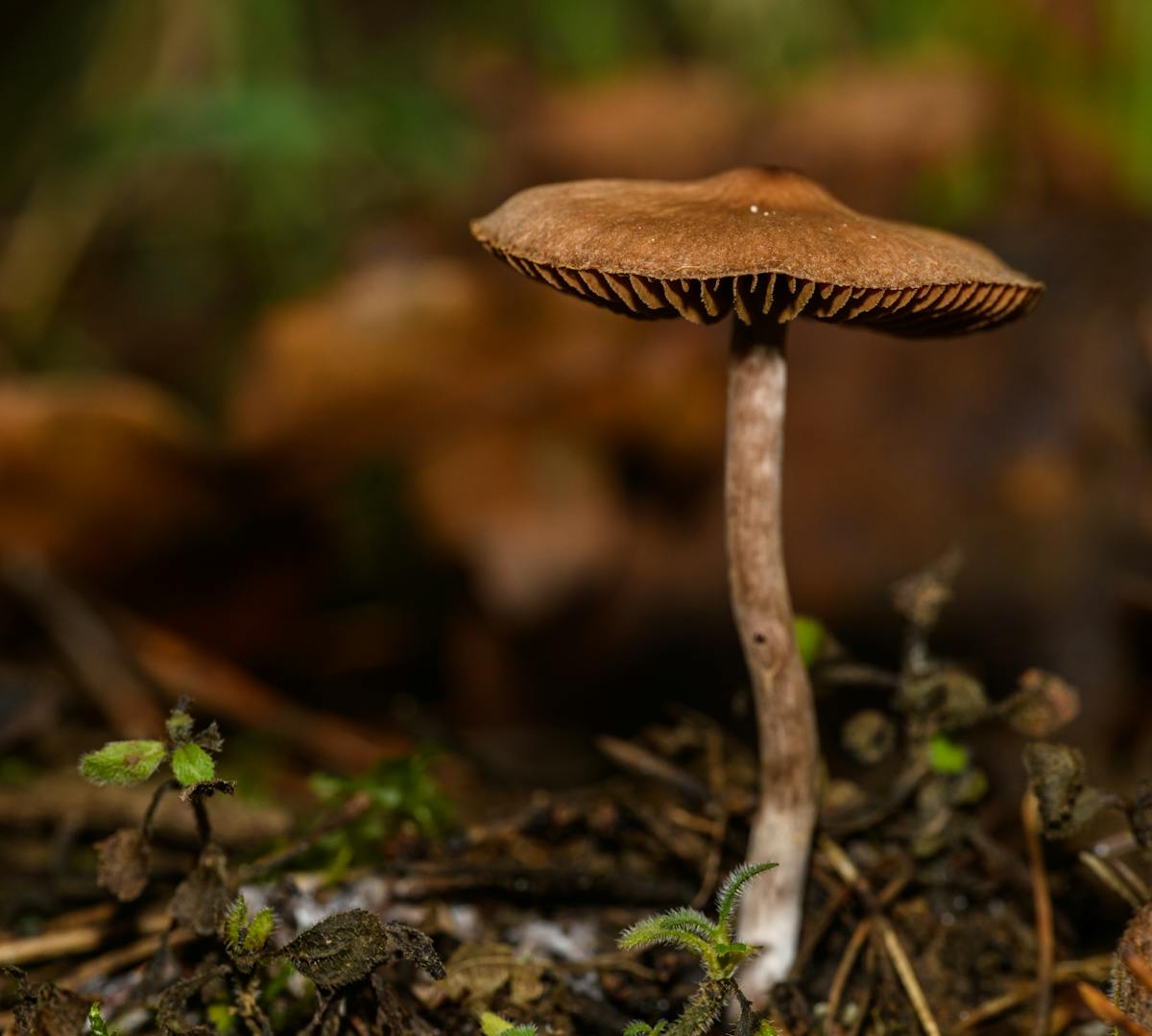
Meet the new species of giant stick insect that weighs about the same as a golf ball

Meet the latest giant stick insect species weighing about the same as a golf ball

Researchers have uncovered a new species of stick insect that is notable for its unexpected heaviness compared to its generally light counterparts. This extraordinary insect, found on an expedition through a Southeast Asian jungle, has a weight comparable to that of a typical golf ball, positioning it as one of the heaviest recorded members of the stick insect group. The newly documented insect displays several unusual physical characteristics that distinguish it from other phasmids. While most stick insects evolved slender, lightweight bodies to enhance their camouflage among twigs and leaves, this species developed a thicker, more robust physique. Entomologists believe…
Leer Más
Everyone hates wasps. But this scientist wants us to love them

From pest to protector: a scientist’s mission to change wasp perceptions

While most people instinctively swat at or flee from wasps, a growing number of scientists are advocating for a more nuanced understanding of these often-feared insects. Dr. Sarah Lawson, an entomologist specializing in hymenoptera, has dedicated her career to changing public perception about wasps, arguing they play crucial ecological roles that deserve our appreciation rather than our hostility. El desagrado habitual hacia las avispas surge principalmente de experiencias personales dolorosas y su reputación de ser más agresivas en comparación con sus primas, las abejas. No obstante, la investigación del Dr. Lawson muestra que de las decenas de miles de especies…
Leer Más