
Nuestro sitio web utiliza cookies para mejorar y personalizar su experiencia y para mostrar anuncios (si los hay). Nuestro sitio web también puede incluir cookies de terceros como Google Adsense, Google Analytics, Youtube. Al usar el sitio web, usted consiente el uso de cookies. Hemos actualizado nuestra Política de Privacidad. Por favor, haga clic en el botón para consultar nuestra Política de Privacidad.

Social Responsibility

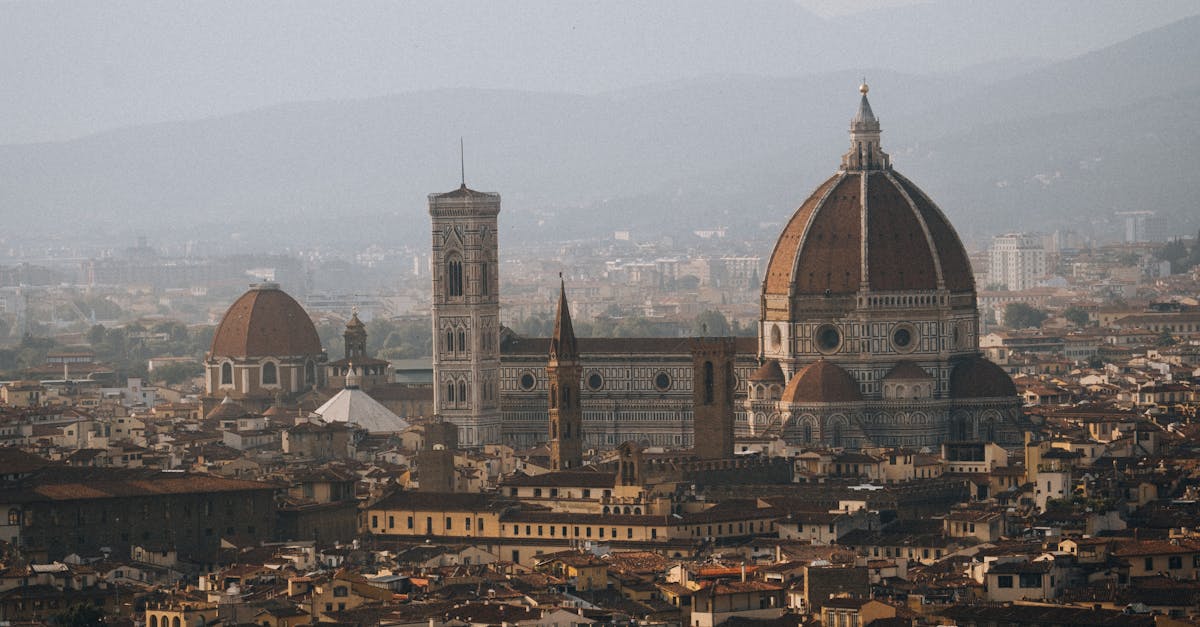
Italy: CSR protecting traditional crafts and responsible fashion supply chains

Italy’s leadership in combining CSR with artisanal traditions for responsible fashion

Why Italy is essential for sustainable fashion and heritage craftsmanshipItaly combines deep artisanal traditions with high-value fashion manufacturing. Small workshops, family-owned factories, textile and leather districts, and global luxury houses coexist in a dense industrial ecosystem. That concentration makes Italian firms and institutions pivotal for advancing corporate social responsibility (CSR) that both protects traditional crafts and ensures responsible supply chains. Effective CSR in this context preserves skills, safeguards local economies, reduces environmental harm from material processing, and aligns producers with growing consumer and regulatory expectations for sustainability and transparency.How CSR protects traditional crafts: mechanisms and outcomesEconomic support and market access:…

Leer Más
Las 10 empresas que pasaron de la quiebra al liderazgo mundial

Linking leadership training to measurable succession outcomes for business success

1. Leadership Development Programs Linked to Succession MetricsOrganizations that align leadership education with measurable succession outcomes consistently report strong returns. Companies such as General Electric and IBM have long tied executive education to promotion rates, bench strength, and retention of high-potential employees.Measured impact often includes: Up to 30% improvement in internal promotion rates Reduced executive turnover Higher employee engagement scores under trained leaders Structured mentoring, rotational assignments, and assessment-based coaching ensure that learning translates directly into leadership pipeline strength.2. Data-Driven Sales Enablement AcademiesCorporate universities centered on sales effectiveness demonstrate quantifiable top-line growth whenever their training content aligns directly with pipeline…
Leer Más
The 12 Most Notorious Greenwashing Cases Ever Exposed

Twelve greenwashing scandals that reveal the dark side of eco-marketing

Greenwashing has evolved from subtle marketing spin to sophisticated, data-driven campaigns that mislead investors, regulators, and consumers alike. Below are twelve of the most notorious greenwashing cases ever exposed—each illustrating how environmental claims can diverge sharply from environmental reality.1. Volkswagen’s “Clean Diesel” ScandalIn 2015, authorities discovered that Volkswagen had fitted roughly 11 million diesel cars globally with defeat mechanisms. These systems recognized when the vehicles were undergoing emissions checks and temporarily lowered nitrogen oxide output to comply with regulatory limits.In real-world driving conditions, emissions were up to 40 times higher than permitted levels in the United States.Impact: Over $30 billion…
Leer Más
The 10 Most Polluting Industries in Modern History

How industrial progress shaped the 10 most polluting industries in modern history

Introduction: Pollution as a Byproduct of Industrial ProgressIndustrialization has transformed human civilization, raising living standards, extending life expectancy, and enabling global connectivity. Yet many of the sectors responsible for contemporary prosperity have likewise generated severe ecological harm. Atmospheric pollution, water contamination, soil degradation, biodiversity loss, and climate change are closely linked to industrial operations over the past two centuries. The following evaluation examines the ten most polluting industries in modern history, highlighting their environmental impact, historical evolution, and global consequences.1. Fossil Fuel Energy ProductionCoal, oil, and natural gas extraction and combustion form the backbone of modern energy systems. Power plants…
Leer Más
Why regional conflicts can raise global energy prices

The 12 most devastating oil spills in history and their environmental impact

Introduction: The Global Cost of Oil SpillsOil spills rank among the most destructive human-made environmental disasters. Whether caused by tanker accidents, offshore drilling failures, pipeline ruptures, or acts of war, large-scale oil spills devastate marine ecosystems, damage coastal economies, and leave long-term public health consequences. Millions of barrels of crude oil and refined petroleum products have entered oceans, rivers, and wetlands over the past century, reshaping environmental regulation and energy policy worldwide.Below are twelve of the worst oil spills in history, evaluated by volume discharged, ecological harm, economic fallout, and long-term repercussions.1. Gulf War Oil Spill (1991)Estimated spill: 6–8 million…
Leer Más
Las 15 donaciones individuales más grandes jamás realizadas

How the biggest philanthropic foundations influence scientific innovation and research

Understanding the World’s Largest Philanthropic Foundations by EndowmentPhilanthropic foundations play a decisive role in shaping global health, education, scientific research, climate action, and social equity. The largest foundations, measured by endowment size, possess the financial capacity to influence public policy, fund long-term research, and respond rapidly to crises. Endowment size reflects invested assets intended to generate income for grantmaking over decades, ensuring sustained impact.Below are the 15 largest philanthropic foundations in the world by endowment, based on the most recent publicly available financial disclosures and annual reports.1. Bill & Melinda Gates FoundationEndowment: Over $70 billion The Gates Foundation is the…
Leer Más
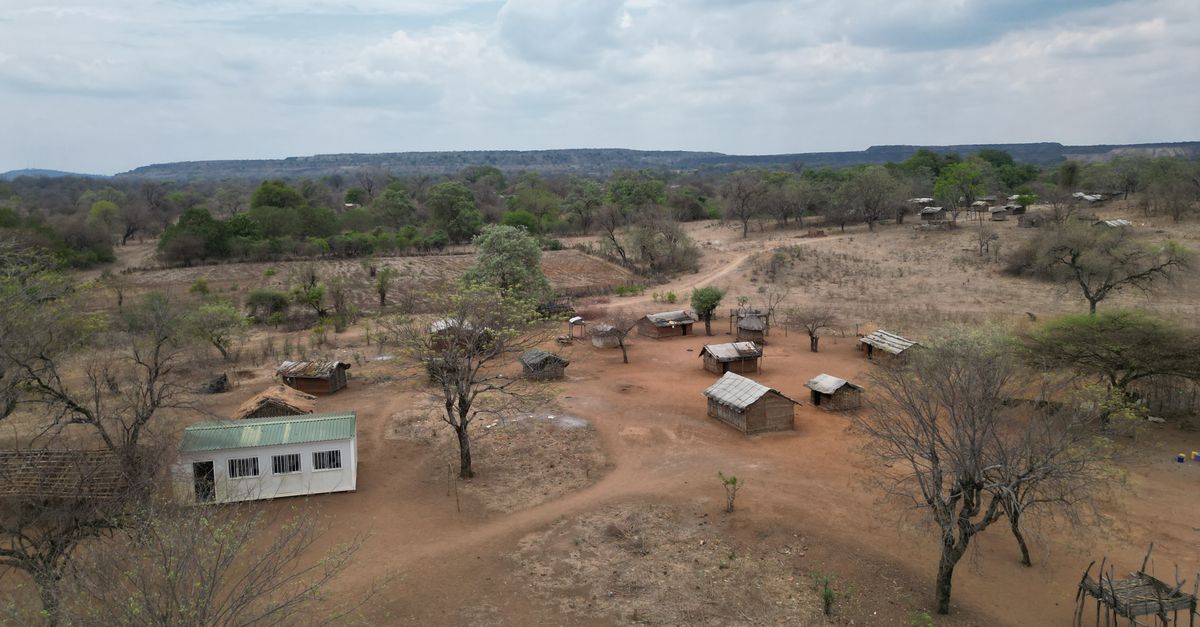
Malawi: agribusiness CSR strengthening nutrition and resilience for smallholders

Why agribusiness CSR matters for smallholder nutrition and resilience in Malawi

Malawi at a glance: why agribusiness CSR matters for nutrition and resilienceMalawi is a predominantly agricultural country where smallholder farmers produce the bulk of staple foods and supply many agro-value chains. Agriculture employs the majority of the rural population and contributes a substantial share of national output, yet many smallholders remain vulnerable to shocks, climate stress, and poor nutrition outcomes. Undernutrition—especially chronic malnutrition among children—remains a public-health and development priority. Agribusiness corporate social responsibility (CSR) can play a catalytic role by combining market access, investment, technical services, and nutrition-focused interventions to strengthen smallholder incomes, diversify diets, and build resilience.How agribusiness…
Leer Más
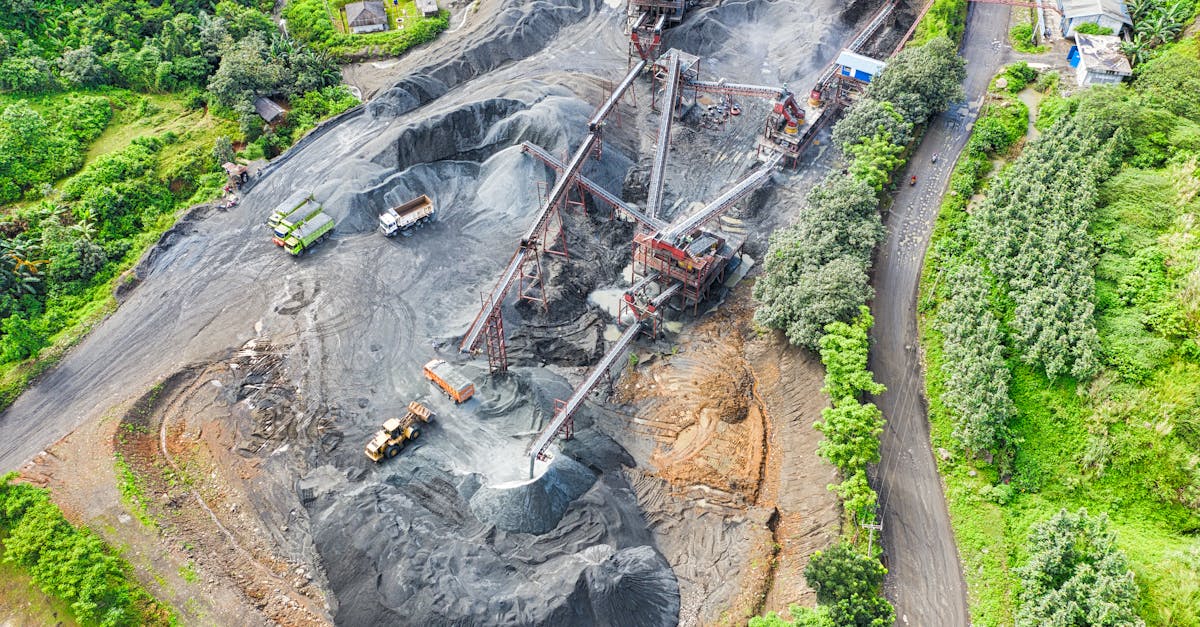
The 10 Mines and Extraction Sites Closed Under Public Pressure

10 mining sites shut down through sustained public campaigns

Introduction: When Public Pressure Reshapes the Extractive IndustryFor generations, large-scale extraction operations and mining ventures have been linked to wealth generation, employment opportunities, and resource reliability. Nonetheless, these same undertakings bring about significant ecological, societal, and wellness impacts. Throughout recent decades, coordinated civic pressure driven by grassroots initiatives, Indigenous opposition, judicial battles, scientific advocacy, and worldwide campaigns has successfully forced the shutdown of numerous prominent extraction zones and mines.These closures demonstrate the growing influence of civil society in shaping environmental governance. Below are ten significant mines and extraction projects that were shut down, suspended, or permanently halted due largely to…
Leer Más
The 10 Industrial Disasters That Forced Changes in Environmental Regulation

Environmental regulation changes driven by industrial catastrophes

Industrial disasters have repeatedly exposed the hidden costs of rapid economic growth and technological expansion. When regulatory systems lag behind industrial innovation, catastrophic accidents often become the turning points that reshape environmental law. Across continents and decades, large-scale environmental disasters have triggered sweeping reforms, stricter oversight, and global cooperation. The following ten events stand out as pivotal moments that forced governments to strengthen environmental regulation and corporate accountability.1. The Great Smog of London (1952)In December 1952, a dense layer of smog blanketed London for five days. Caused primarily by coal burning combined with unusual weather conditions, the smog led to…
Leer Más
Uruguay: CSR cases advancing renewables and inclusive quality jobs

Uruguay’s CSR achievements driven by competitive renewable auctions

Uruguay is widely cited as a model for rapid decarbonization of power supply: driven by a mix of hydropower, wind, biomass and solar, the country moved from a historically fossil-dependent grid to one that routinely supplies more than 90% of electricity from renewable sources. This national energy transition created a space in which corporate social responsibility (CSR) evolved beyond philanthropy into strategic investments that link renewables, local development and inclusive quality jobs.Policy and finance enablers that shape CSRStrong public policy and predictable procurement shaped corporate behavior and CSR outcomes:Competitive renewable auctions: Government-organized auctions reduced market risk for developers and required,…
Leer Más