
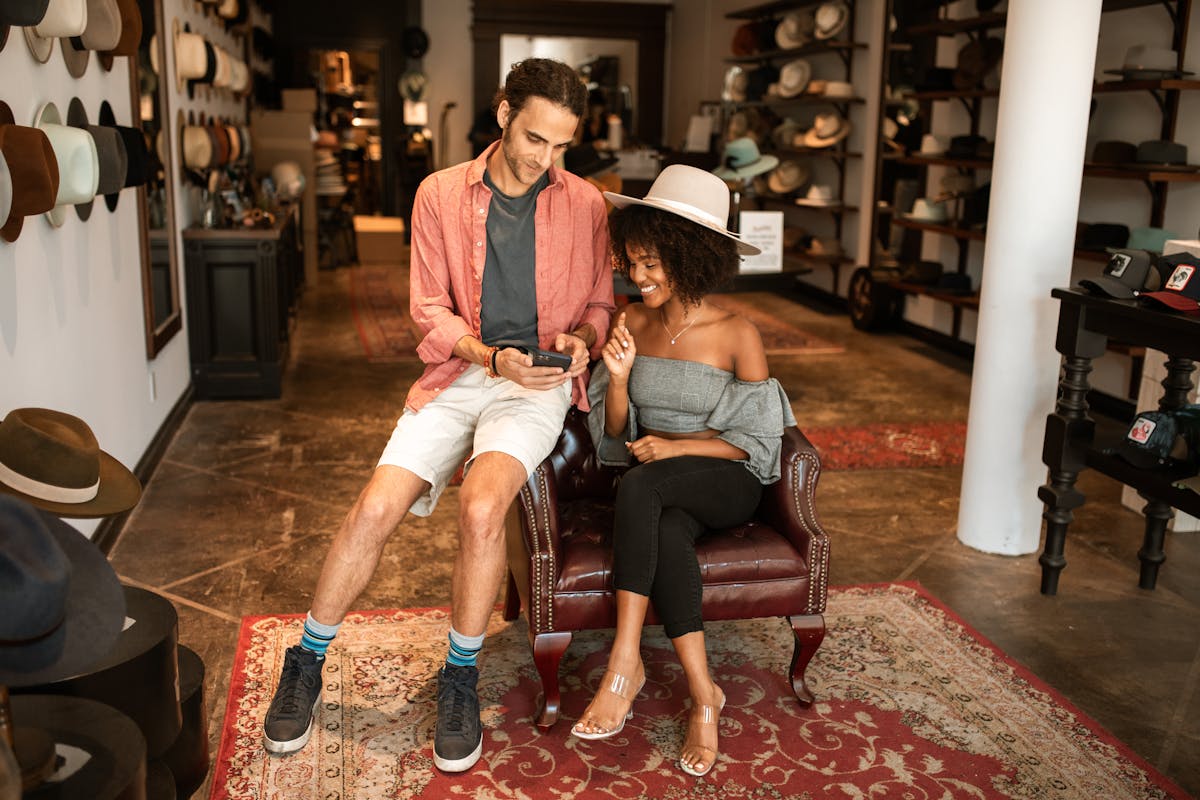
A fashion buyer is a crucial player in the dynamic world of fashion retail. In essence, a fashion buyer is responsible for selecting and purchasing apparel and accessories that will be stocked in stores. This role requires a deep understanding of fashion trends, consumer demands, and business acumen. Fashion buyers are the gatekeepers of style for retail brands, ensuring that the products align with the brand’s identity and appeal to its target demographic.
Core Duties Performed by a Fashion Buyer
Fashion buyers engage in a multi-faceted job that demands a mix of creative and analytical skills. Their responsibilities include:
1. Trend Analysis: Staying ahead of fashion trends is paramount for a fashion buyer. This involves attending fashion shows, analyzing fashion forecasts, and following seasonal trends to anticipate what consumers will desire.
2. Supplier Negotiations: Cultivating relationships with suppliers is a crucial element of a buyer’s role. Fashion buyers must negotiate prices, delivery dates, and terms to maximize profitability while ensuring quality standards are met.
3. Inventory Management: Deciding on quantities and timing of purchases requires careful analysis. Buyers must balance between having enough stock to meet demand without over-purchasing, which ties up capital and increases storage costs.
4. Collaboration with Designers: Often, buyers work closely with a design team to create exclusive lines or modify existing products to better fit brand goals and consumer preferences.
5. Financial Planning: A buyer should closely monitor budgets and projected sales, as recognizing mark-up needs and establishing realistic revenue goals is essential for sustaining profitability.
Key Competencies Required for a Fashion Buyer
To thrive as a fashion buyer, certain skills are indispensable:
Analytical Skills: Reviewing sales metrics and customer responses enables buyers to reach well‑informed purchasing choices.
Negotiation Skills: Securing the best deals from suppliers requires strong negotiation skills. This ensures cost efficiency and optimal inventory levels.
Trend Awareness: Having a natural instinct for emerging fashion directions allows for the selection of items that will captivate and keep customers engaged.
Communication Skills: Being able to convey ideas and foster collaboration with both internal teams and external partners is essential.
The Impact of Technology on Fashion Buying
In recent years, technology has revolutionized the way fashion buyers operate. Artificial intelligence provides data-driven insights that surpass traditional methods of trend forecasting. E-commerce analytics supplies detailed information on customer habits, aiding in more precise inventory management. Augmented reality allows buyers to visualize how designs will fit and look even before they are manufactured, facilitating better decisions in product selection.
Case Study: The Zara Strategy
Zara, a prominent global fashion retailer, showcases a dynamic and forward-thinking method of fashion buying by overseeing much of its supply chain and leveraging real-time data insights to react swiftly to emerging trends. The company relies on local buyers who stay closely attuned to customer preferences, enabling Zara to design and deliver fresh products in as little as two weeks. This rapid turnaround helps Zara reduce excess inventory and maintain strong sell-through performance.
A fashion buyer’s duties span numerous dimensions, blending creative judgment with commercial expertise to strengthen retail performance. As technology progresses and consumer preferences shift, the position becomes increasingly pivotal in shaping a brand’s market presence and overall identity. By relying on informed choices and a nuanced grasp of trends and customer expectations, fashion buyers stand at the leading edge of the retail world, assembling the collections that influence modern fashion.