
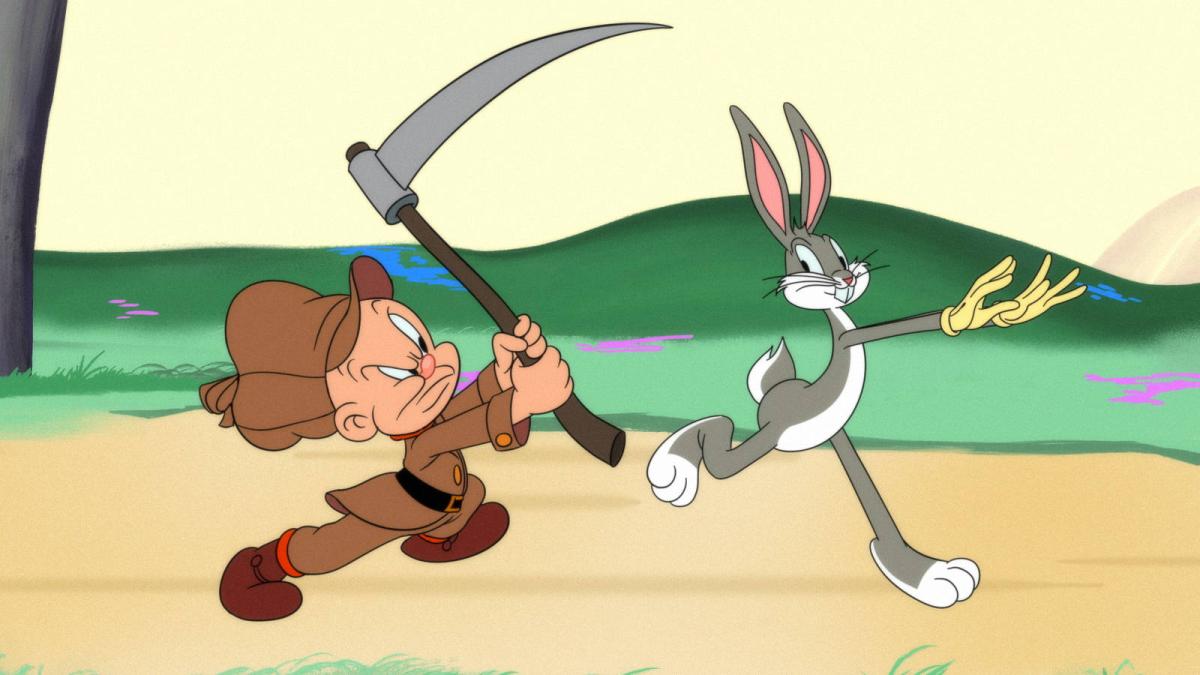
Eric Bauza, the acclaimed voice actor responsible for breathing life into generations of animated figures, has passed away at the age of 46. His performances not only safeguarded the heritage of Looney Tunes but also presented those cherished characters to fresh viewers.
The Canadian-born performer built a distinguished career across television, film and animation, becoming one of the industry’s recognizable voices. His death was attributed to hypertensive cardiovascular disease, according to records from the Los Angeles County Medical Examiner. His family announced that he had died suddenly on Sunday, prompting an outpouring of condolences from colleagues, directors and fans who admired his talent and generosity.
An iconic voice in the universe of Looney Tunes
Bauza became particularly well known for voicing Bugs Bunny and Daffy Duck, two of Warner Bros.’ most enduring animated characters. Taking on roles associated with generations of performers required a balance of vocal precision, comedic timing and respect for the personalities that audiences had known for decades.
His interpretations retained the distinctive qualities of the classic characters while bringing his own performance style to their modern appearances. As Bugs Bunny, he delivered the familiar confident humor associated with the mischievous rabbit, while his portrayal of Daffy Duck preserved the character’s unmistakable lisp and energetic temperament.
Bauza’s versatility extended well beyond those two leading roles. In the recently released film Coyote vs. Acme, he voiced several familiar Looney Tunes personalities, including Tweety, Porky Pig, Elmer Fudd and Foghorn Leghorn. The production offered another opportunity for him to demonstrate the range that made him an important contributor to the franchise.
The movie was produced by Warner Animation Group during its time under Warner Bros. Discovery, the entertainment company whose assets, including CNN, subsequently became part of Skydance. Bauza’s involvement reflected his longstanding relationship with the studio and his place within the broader history of American animation.
From Toronto to a career in Hollywood
Born in Toronto, Canada, Bauza eventually moved to the United States to pursue his interest in animation. According to his IMDb biography, he studied the art form while taking on voiceover assignments in his spare time, gradually developing the skills that would shape his professional future.
His first steps into the industry came through character design. Working with Hollywood production studios gave him a practical understanding of how animated productions were developed and how artists collaborated to create memorable characters.
That background turned out to be extremely useful once he started chasing a career in voice acting with greater dedication. SBV Talent, his representing agency, characterized his entry into the animation sector as a pivotal moment that ultimately paved the way for a flourishing path as one of the field’s most in-demand talents.
Rather than restricting himself to a specific studio or franchise, Bauza contributed to a diverse array of productions. His portfolio featured work tied to Disney, DreamWorks and Cartoon Network, highlighting the constant demand for his talent in seamlessly transitioning across various animation styles, target audiences and character archetypes.
Over more than two decades, he accumulated hundreds of voice acting credits. His career demonstrated how performers working behind the scenes can become essential to the identity of animated productions, even when audiences recognize their characters more readily than the actors responsible for their voices.
An extensive collection of memorable characters
Although his work on Looney Tunes remained a defining part of his professional identity, Bauza contributed to numerous other popular franchises.
Among his roles was Puss in Boots in The Adventures of Puss in Boots, the animated television series featuring the sword-wielding feline introduced to a global audience through the Shrek films. He also voiced Splinter in Rise of the Teenage Mutant Ninja Turtles, bringing his interpretation to a character with a long history in animation, comics and film.
His work featured a distinct style of performance portraying Fozzie Bear on Muppet Babies. This character showcased his capacity to transition smoothly across roles with contrasting personas and comedic styles, ranging from traditional animated slapstick to the lighthearted warmth typical of family viewing.
Bauza additionally featured in prominent animated cinema projects. He lent his voice to Woody Woodpecker in the feature film centered around the troublesome character and brought Toad General to life in The Super Mario Bros. Movie, a cinematic adaptation of Nintendo’s globally celebrated gaming series.
These credits illustrate the breadth of his contribution to contemporary animation. Whether he was revisiting an established character or working within a different fictional universe, his performances helped maintain the distinctive voices that audiences associate with animated storytelling.
Emmy recognition and a lasting professional legacy
Bauza’s achievements received recognition from the television industry. In 2022, he won an Emmy Award for outstanding voice performance in an animated program for his work on Looney Tunes productions. He also received Emmy Awards in 2023 and 2025, further reflecting the recognition his performances earned throughout his career.
The awards marked important milestones in a profession that often receives less public attention than on-screen acting. Voice performers must communicate emotion, personality and humor through vocal delivery alone, frequently working without the physical presence of other actors or a completed animated scene.
The skill inherent in that process was clearly exemplified by Bauza’s professional journey. His vocal work supported well-known characters while proving that the ongoing triumph of animation relies on the collaborative efforts of illustrators, writers, directors, and voice artists.
Just one day prior to his passing, Bauza uploaded a picture featuring himself alongside David Silverman, the filmmaker celebrated for his contributions to The Simpsons. This snapshot was captured during the yearly LightBox Expo held in California, a gathering that unites experts and fans belonging to the illustration and animation sectors.
The photograph offered a glimpse of his continued involvement in the industry and his connections with fellow artists. His participation in such events also reflected the collaborative environment in which he had built his career.
Colleagues and fans remember his generosity
News of Bauza’s death prompted tributes from people who had worked alongside him. Jim Cummings, the veteran voice actor known for portraying Winnie the Pooh, Tigger and the Tasmanian Devil, responded to the family’s announcement with an expression of grief, describing Bauza as a kind young man and acknowledging how difficult it was to find words in the circumstances.
Director Adam Rosette also shared a personal remembrance on Instagram. He recalled meeting Bauza after moving to Los Angeles in 2010, when the two worked at a small animation studio and shared a desk.
Rosette recalled their shared days as packed with sketching and mirth. He additionally pondered the instance when Bauza chose to commit fully to voice acting, characterizing the journey of observing his companion evolve into an esteemed personality within the field.
The tributes underscored facets of Bauza that transcended his career milestones. Beyond his vocal prowess, peers recalled the early bonds he forged and the zeal he infused into the artistic endeavor.
For audiences, his legacy will remain closely tied to the animated characters that have entertained viewers for decades. His performances helped carry Bugs Bunny, Daffy Duck and other familiar figures into a new era, connecting the history of classic cartoons with contemporary films and television.
Bauza’s death at 46 marks the loss of a prolific performer whose work reached audiences across generations. Through hundreds of roles and multiple award-winning performances, he made a lasting contribution to animation, demonstrating how a distinctive voice can help keep beloved characters alive for years to come.