
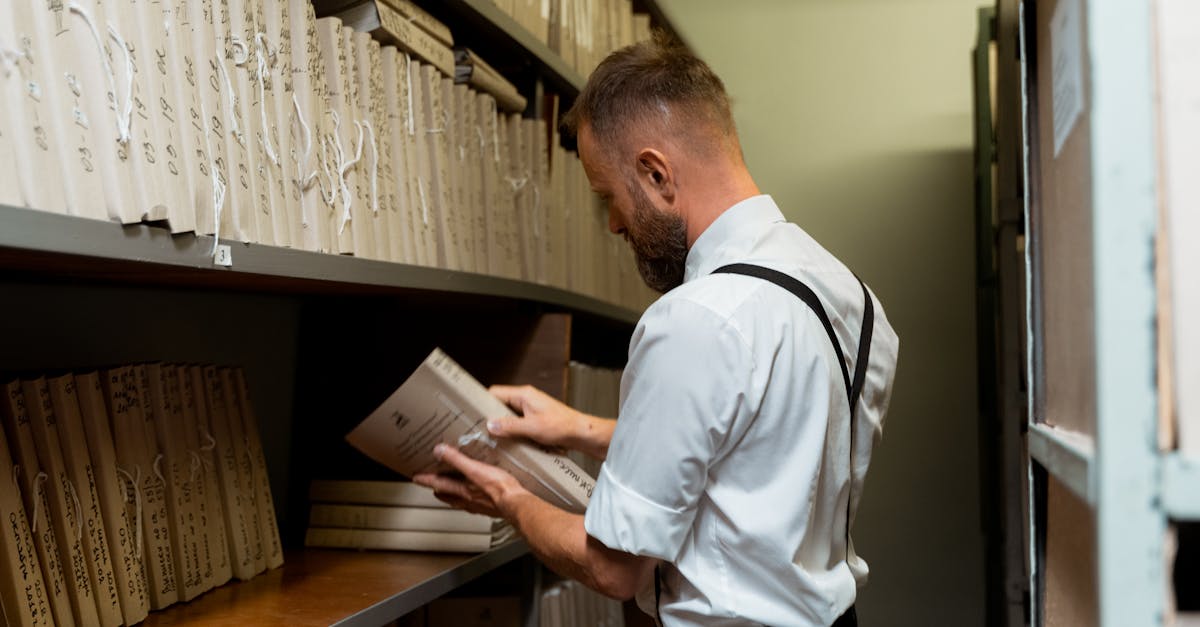
1) The Vatican Apostolic Archive (Vatican City)
The Vatican Apostolic Archive, formerly known as the Vatican Secret Archive, is widely regarded as the most historically significant private archive in the world. It remains under the authority of the Holy See and is not a public state archive. Its holdings span over twelve centuries and include approximately 85 kilometers of shelving.
Why it is valuable:
- Original papal correspondence, including letters from monarchs and heads of state.
- Documentation related to the Crusades, the Inquisition, and diplomatic relations across Europe and beyond.
- Trial records of historical figures such as Galileo Galilei.
The significance of this collection stems not merely from its antiquity and breadth, but rather from its exceptional record of worldwide religious, political, and cultural evolution.
2) The British Royal Archives (United Kingdom)
Based at Windsor Castle, the Royal Archives preserve the official and private documents of British monarchs stretching back to the seventeen-hundreds. Ownership of the collection rests privately with the sovereign.
Highlights include:
- Correspondence of King George III during the American Revolution.
- Letters and journals of Queen Victoria.
- Modern constitutional documents shaping the Commonwealth.
Its significance stems from its detailed insight into constitutional monarchy, imperial governance, and diplomatic evolution over centuries.
3) The Rothschild Family Archives (United Kingdom)
The Rothschild family established one of the most influential banking dynasties in history. Their private archive preserves financial records, correspondence, and business strategies dating back to the eighteenth century.
Notable elements:
- Documents relating to European war financing.
- Early international bond market operations.
- Private letters revealing economic and political strategy.
The archive offers unparalleled perspective on the evolution of contemporary international finance.
4) The Rockefeller Archive Center (United States)
Although accessible to researchers, this archive originates from private philanthropic and business holdings of the Rockefeller family.
Key materials:
- Standard Oil’s historical archives.
- Philanthropic efforts that have shaped public education and public health.
- Records detailing early international health campaigns.
The archive demonstrates how private wealth influenced public institutions, medical research, and international development.
5) The Getty Research Institute Special Collections (United States)
Funded by the J. Paul Getty Trust, this private collection includes rare manuscripts, artists’ papers, and photographic archives.
Examples include:
- Illuminated medieval manuscripts.
- Archives of major twentieth-century artists.
- Rare architectural drawings.
Its financial endowment and curated acquisitions make it one of the most valuable art-focused private research collections globally.
6) The Morgan Library and Museum (United States)
Established by financier J. P. Morgan, this assemblage started out as a private collection of scarce manuscripts and rare books.
Holdings include:
- Original manuscripts by Charles Dickens and Mark Twain.
- Medieval and Renaissance illuminated manuscripts.
- Early printed Bibles and musical scores.
The combination of rarity, condition, and provenance places its cultural value in the billions of dollars.
7) The Aga Khan Trust for Culture Archives (Switzerland and France)
This private repository chronicles Islamic art, architecture, and cultural heritage initiatives spanning various continents.
Significance:
- Architectural conservation records.
- Photographic surveys of heritage sites.
- Research on urban revitalization in historic cities.
Its importance lies in safeguarding architectural and artistic heritage that might otherwise be lost.
8) The Coca-Cola Company Archives (United States)
As one of the planet’s most iconic enterprises, Coca-Cola preserves a vast corporate collection that chronicles more than a hundred years of advertising, branding, and worldwide growth.
Contents include:
- Initial formula paperwork alongside early bottling contracts.
- Vintage marketing campaigns.
- Plans for worldwide commercial growth.
This archive represents the evolution of consumer branding and globalization in the modern era.
9) The Disney Archives (United States)
Established by the Walt Disney Company, this archive preserves the creative and corporate history of one of the largest entertainment enterprises.
Key assets:
- Original animation cells and concept art.
- Film production records.
- Theme park design documents.
Its intellectual property holdings and creative documentation carry immense commercial and cultural value.
10) The Hearst Corporation Archives (United States)
The Hearst media empire maintains extensive private records chronicling the rise of mass media in the twentieth century.
Included materials:
- Newspaper archives shaping public opinion.
- Photographic collections of historic events.
- Internal correspondence reflecting media strategy.
This archive captures the transformation of journalism, publishing, and broadcasting in the modern world.
The Enduring Power of Private Memory
Private archives and collections occupy a unique space bridging confidentiality and academic research. Unlike public institutions, they reflect individual perspectives, organizational strategies, and targeted financial resources. Their significance goes beyond mere monetary valuation, lying instead in their capacity to chronicle political choices, economic transformations, artistic milestones, and societal evolutions. Ultimately, these holdings demonstrate how private custodianship has safeguarded several of humankind’s most impactful documents, thereby influencing how history gets recorded and comprehended by future generations.