
Exploring Virtual Fashion Shows: A Transformative Chapter for the Fashion Industry
The fashion industry has undergone a notable shift driven by advancing technology, and among the most groundbreaking developments is the emergence of the virtual fashion show. This modern format reshapes the classic runway experience, merging digital innovation with broader accessibility. Yet what precisely defines a virtual fashion show, and in what ways does it influence the contemporary fashion landscape?
The Idea Behind Virtual Fashion Shows
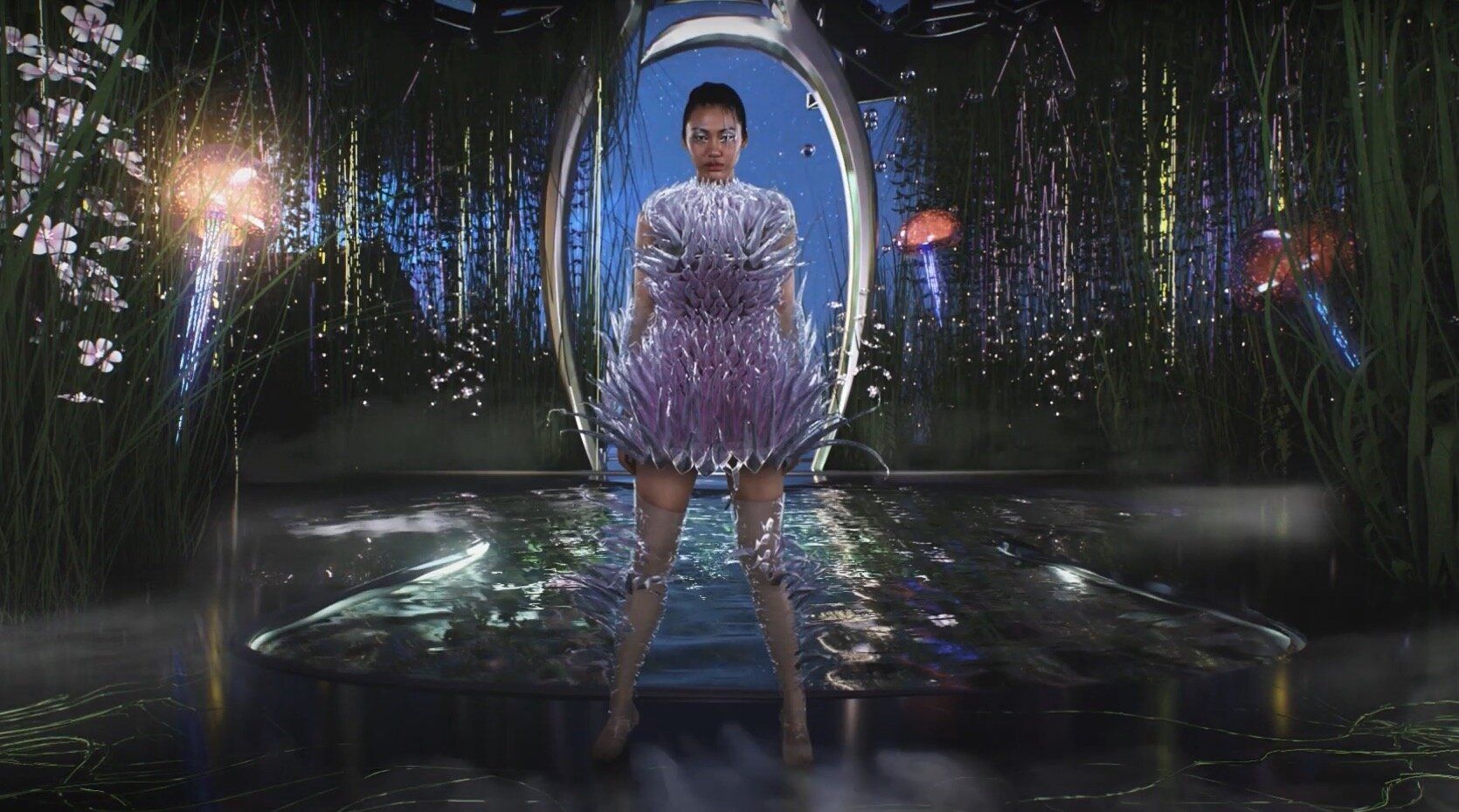
A virtual fashion show is an immersive digital event where fashion designers showcase their latest collections through virtual platforms rather than traditional physical runways. These shows utilize cutting-edge technology, including augmented reality (AR), virtual reality (VR), and 3D design, to create a unique visual experience for audiences worldwide. By simulating the runway experience online, designers can reach a broader audience without the geographical limitations of conventional fashion shows.
Technology Powering the Transformation
Advanced technology forms the foundation of virtual fashion shows, as 3D modeling and animation empower designers to craft highly lifelike digital garments that closely replicate the appearance and texture of real clothing. By integrating AR and VR, viewers gain the ability to engage more dynamically with each piece, observing the garments across diverse environments and from different perspectives. This fusion of technologies not only elevates the overall showcase but also promotes sustainability by minimizing the carbon emissions typically generated by in‑person events.
Key Players and Case Studies
Several key players have been pioneers in adopting virtual fashion shows. Notably, the brand Balenciaga made headlines with its fully digital Fall 2021 collection titled “Afterworld: The Age of Tomorrow,” which offered an interactive video game experience. Similarly, Dior utilized digital fashion shows to maintain engagement with its audience during the global pandemic, ensuring safety while delivering artistic fashion expressions.
One significant case study is the collaboration between the fashion house Louis Vuitton and gaming giant League of Legends. This partnership resulted in exclusive skins and digital garments for players, highlighting the intersection between high fashion and digital entertainment.
Effects on Accessibility and Inclusion
Virtual fashion shows have considerably democratized access to high fashion, making it accessible to anyone with an internet connection. This newfound accessibility allows designers to reach diverse audiences and engage consumers who might not have been able to attend physical events due to travel constraints or costs. Additionally, virtual shows can include more inclusive narratives by showcasing diverse models and styles, reflecting a broader array of audiences.
Challenges and Future Prospects
Although they offer clear benefits, virtual fashion shows also present notable obstacles. Delivering them in a digital format demands substantial technological resources and specialized know‑how, which may pose difficulties for emerging or smaller designers. In addition, recreating the exclusivity and captivating atmosphere of a conventional runway event can prove challenging in an online setting.
Nevertheless, the future of virtual fashion shows appears promising. With ongoing technological advancements, including developments in the metaverse, brands can create even more immersive experiences. These innovations may lead to further integration of fashion with digital spaces, ultimately reshaping how consumers interact with and perceive fashion.
By merging innovative tech with imaginative design, they improve accessibility while setting the stage for more sustainable approaches to fashion. As technological tools advance, the possibilities for creating fashion experiences that are more dynamic, inclusive, and environmentally conscious will continue to expand.