
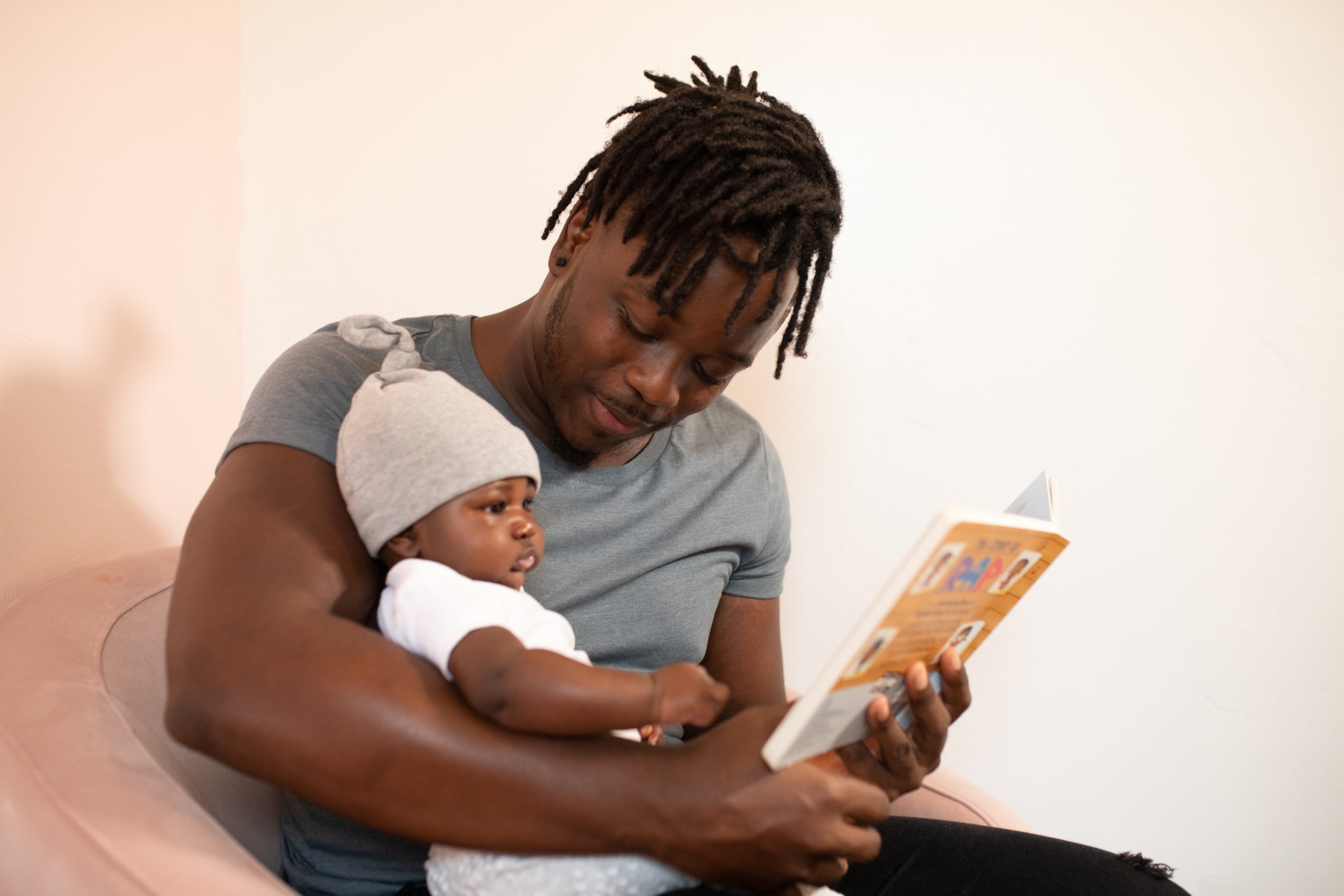
In a world still grappling with the consequences of rigid gender roles, Promundo is quietly redefining how equality can be achieved. By engaging men and boys as active partners, the organisation demonstrates that lasting social change relies on shared responsibility.
Since its founding in 1997, Promundo has challenged the notion that gender equality is solely the responsibility of women and girls. Instead, it promotes an inclusive approach that involves all members of society in reshaping norms, behaviors, and expectations. Its programmes have reached more than 40 countries, encouraging dialogue around equitable decision-making, respectful partnerships, and the social benefits of cooperative communities. This perspective is particularly impactful in regions where longstanding cultural traditions make rapid change difficult, showing that locally grounded, participatory strategies can produce sustainable results.
Transforming the concept of masculinity to avert violence
One of Promundo’s most notable contributions is its work in violence prevention. Rather than addressing violent behavior as an isolated issue, the organization explores its roots in societal expectations of masculinity and power. By promoting non-violent models of manhood and involving families, schools, and local institutions, Promundo strengthens protective social structures and encourages behavioral change. Evaluations of its programs demonstrate that participants adopt less harmful attitudes, reinforcing the effectiveness of early engagement in challenging ingrained norms.
The organisation’s initiatives reach well beyond the limits of workshops or classroom sessions. Almost 10 million individuals—including teachers, healthcare providers, police officers, and military personnel—have engaged in Promundo’s training or utilized its materials. By nurturing this extensive network, the organisation aids in forming communities that can maintain safer, more equitable environments and enhance the spread of alternative narratives in areas where traditional norms prevail.
Research that informs policy and drives reform
Promundo enhances its practical efforts through thorough research. By examining data on gender perspectives, family dynamics, and societal pressures, the organization supplies policymakers with the necessary evidence to enact significant reforms. Governments have utilized its findings to develop educational programs, national action strategies, and violence prevention initiatives. This data-focused method guarantees that Promundo’s interventions stay flexible to evolving social circumstances while being attuned to local contexts.
The organisation’s research also aids in a more comprehensive understanding of how gender norms affect societal wellbeing. By documenting the effects of inclusive programmes, Promundo illustrates that gender equality enhances the welfare of entire communities, not merely individuals. These findings bolster global initiatives to craft policies that mitigate violence, encourage equitable opportunities, and nurture sustainable social development.
Advancing fairness via teamwork
While Promundo may not be as widely recognized as some international NGOs, its influence is profound. Its approach emphasizes that all members of society gain from more equitable relationships and communities. By respecting cultural continuity while encouraging progressive change, the organisation offers a balanced pathway toward gender justice. This method demonstrates that transformative social initiatives do not require abrupt disruption of traditions but can succeed through dialogue, education, and shared commitment.
The organisation’s work aligns with Sustainable Development Goal 5, which emphasizes attaining gender equality and empowering all women and girls. By involving men and boys in addition to women, Promundo cultivates a sense of shared responsibility that fortifies communities and encourages enduring stability. Its programmes demonstrate that achieving equity is not merely a matter of policy but also a social process necessitating involvement at every level.
A blueprint for sustainable social change
Promundo’s model demonstrates how the fusion of practical interventions, research, and community involvement can generate enduring impact. Its programs supply tangible tools for violence prevention, while its collaborations with local institutions guarantee that advancements are sustainable and culturally relevant. By incorporating education, advocacy, and capacity building, Promundo offers a blueprint for attaining gender equality across varied social settings.
Through these efforts, the organisation contributes to safer, more inclusive societies. Its initiatives demonstrate that by challenging harmful gender norms, promoting positive masculinity, and engaging all members of society, communities can foster healthier relationships, reduce violence, and advance social cohesion.
Continuing the conversation
Promundo’s efforts also underscore the significance of continuous research and the exchange of information. Resources like the World Bank Gender Innovation Lab and OECD gender equality portals enhance its initiatives by supplying data and best practices for individuals aiming to launch similar programs. Frequent updates from Promundo’s website provide insights into the success of its initiatives, ensuring that the lessons learned are available to practitioners, policymakers, and the public.
Promundo exemplifies how inclusive, evidence-based strategies can advance gender equality in practical and sustainable ways. By empowering men and boys as allies, engaging communities in dialogue, and providing rigorous research to inform policy, the organization strengthens social structures and fosters healthier, fairer societies. Its approach demonstrates that meaningful change is possible when responsibility is shared, and it provides a model for global efforts to build equitable, resilient communities.